What Does Zesty Mean?
"Zesty" describes someone, typically male, who displays flamboyant, feminine, or suggestive behavior often jokingly associated with being gay.



Is Zesty Safe? Meaning, Risk & Tips
The same word can mean very different things. Here's what to look for in your child's situation.
Mostly harmless — but context matters.
Teens use "Zesty" to describe flamboyant or expressive behavior, often playfully hinting at someone’s personality or orientation. You’ll see it in social media comments or jokes about friends. Keep an eye out if the term is used to mock or exclude others, and encourage kindness in their digital interactions.
- Used playfully to describe expressive dance moves among friends
- Refers to lively or flamboyant behavior in a joking way
- Common in casual chats about fun or quirky personalities
- Used to mock or stereotype someone’s sexual orientation negatively
- Appears when someone feels singled out for being different
- Can signal discomfort or social exclusion in peer groups

What to Do If Your Child Is Using Zesty
Every situation is different. Here are four approaches — pick what fits yours.
Start with Curiosity
Position yourself as a learner, not a monitor — teens respond far better when they feel respected than when they feel interrogated. Skip the accusations and lead with genuine interest.
Watch Before You Act
You don't always need to bring it up immediately. Give it a few days — observe the pattern, who they're with, how they're feeling. One data point isn't a trend.
Set Clear Expectations
"Zesty" may be normal to them, but normal doesn't always mean appropriate. One honest conversation about what you expect beats ten arguments after the fact.
Stay a Step Ahead
Sometimes slang moves faster than conversations can happen. Being informed isn't about invading privacy — it's about being ready to guide them when it matters.
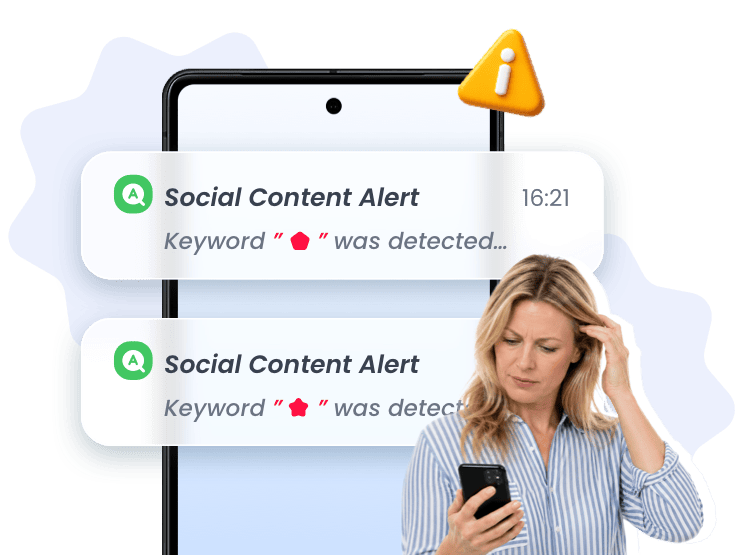
Get Alerted When Zesty Shows Up
Want to know the moment your child encounters slang like “Zesty” ? AirDroid sends you an alert when it shows up — before it becomes a surprise.



Heard Another Word You Don't Recognize?
Search any slang term and go straight to the full breakdown - meaning, risk level, and what to do next.