What Does 🥀 Mean?
🥀 (The wilted flower emoji) conveys feelings of heartbreak, sorrow, or a melancholic aesthetic. It symbolizes emotional pain or a sense of being 'broken' online.



Is 🥀 Wilted Flower Safe? Meaning, Risk & Tips
The same word can mean very different things. Here's what to look for in your child's situation.
This one's harmless — here's what it means.
Teens use the wilted flower emoji to express sadness or a moody aesthetic, often during heartbreaks or emotional moments online. It’s a visual way to share feelings rather than a literal reference. Parents can rest easy—this is a harmless, common way for teens to process emotions and poses no risk.

What to Do If Your Child Is Using 🥀 Wilted Flower
Every situation is different. Here are four approaches — pick what fits yours.
Start with Curiosity
Position yourself as a learner, not a monitor — teens respond far better when they feel respected than when they feel interrogated. Skip the accusations and lead with genuine interest.
Watch Before You Act
You don't always need to bring it up immediately. Give it a few days — observe the pattern, who they're with, how they're feeling. One data point isn't a trend.
Use It To Connect
Low-risk slang is actually a great opportunity. Instead of banning words, try using "🥀 Wilted Flower" yourself — teens love when parents speak their language, and it turns an awkward topic into a bonding moment.
Stay a Step Ahead
Sometimes slang moves faster than conversations can happen. Being informed isn't about invading privacy — it's about being ready to guide them when it matters.
Get Alerted When 🥀 Wilted Flower Shows Up
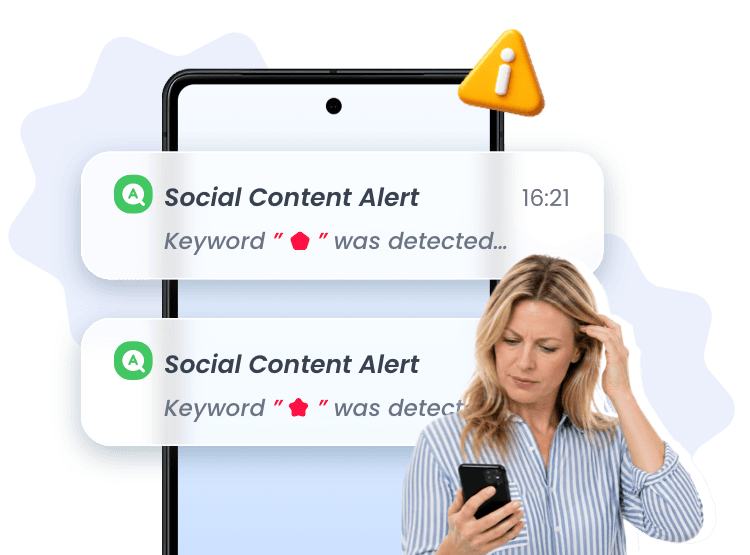
Want to know the moment your child encounters slang like “🥀 Wilted Flower” ? AirDroid sends you an alert when it shows up — before it becomes a surprise.
Trending Slang



Heard Another Word You Don't Recognize?
Search any slang term and go straight to the full breakdown - meaning, risk level, and what to do next.