What Does Gooning Mean?
"Gooning" refers to prolonged masturbation intended to maintain an intense, trance-like state of sexual arousal, often while viewing pornographic content.



Is Gooning Safe? Meaning, Risk & Tips
The same word can mean very different things. Here's what to look for in your child's situation.
This one needs your attention — now.
Teens use "gooning" to describe a trance-like obsession with excessive digital media, often originating from inappropriate adult communities. It usually appears during mindless, hours-long scrolling. If your child uses this term, have an open, gentle conversation about online safety and help them establish healthier boundaries with their devices and content.
- Used when a predator coerces a minor into prolonged exposure to adult content.
- Discussed alongside extreme sexual compulsion leading to severe loss of physical self-awareness.
- Mentioned in online spaces where individuals are groomed into dangerous sexual behaviors.

What to Do If Your Child Is Using Gooning
Every situation is different. Here are four approaches — pick what fits yours.
Start with Curiosity
Position yourself as a learner, not a monitor — teens respond far better when they feel respected than when they feel interrogated. Skip the accusations and lead with genuine interest.
Watch Before You Act
You don't always need to bring it up immediately. Give it a few days — observe the pattern, who they're with, how they're feeling. One data point isn't a trend.
Address What's Behind the Word
When "Gooning" shows up, don't fix the word — check in on the child. Something heavier than slang might be going on beneath the surface.
Stay a Step Ahead
Sometimes slang moves faster than conversations can happen. Being informed isn't about invading privacy — it's about being ready to guide them when it matters.
Get Alerted When Gooning Shows Up
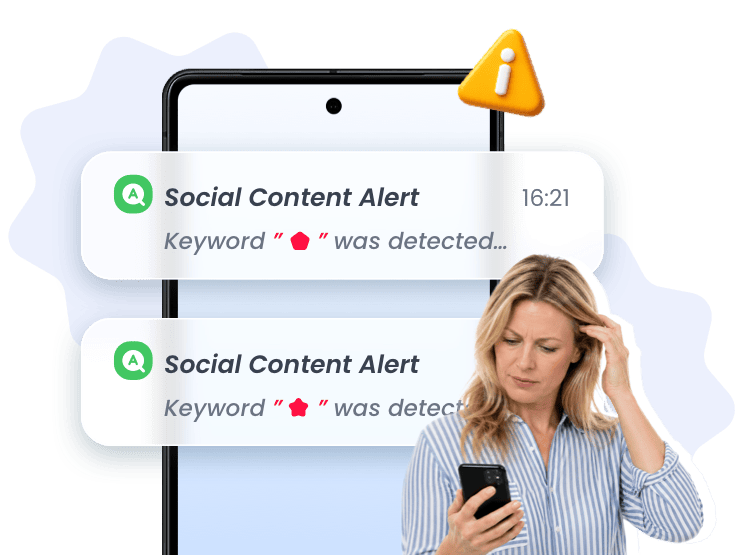
Want to know the moment your child encounters slang like “Gooning” ? AirDroid sends you an alert when it shows up — before it becomes a surprise.



Heard Another Word You Don't Recognize?
Search any slang term and go straight to the full breakdown - meaning, risk level, and what to do next.